During the late-August maintenance closure, the parking lot at the Vinoy Golf Club sat empty. The pro shop was dark. The grill, which normally pours out Wednesday through Saturday until 9 p.m. and runs a Sunday brunch from 10 to 1, didn't open at all. The course itself, the one Wayne Stiles and John Van Kleek laid out in 1926 and Ron Garl reworked in 1992, was closed for its annual maintenance push from August 17 through August 27.
If you don't golf, this might sound like a footnote. It isn't. On Snell Isle, the golf club is one of the only places on the island where you can sit down, order food, and talk to a neighbor without getting in a car first. When it closes, even for that stretch, the island quiets down in a way that's easy to feel and harder to name. That's the thing worth understanding about this place: Snell Isle runs on a small number of shared clocks, and when one of them pauses, you notice.
The Island With No Storefronts
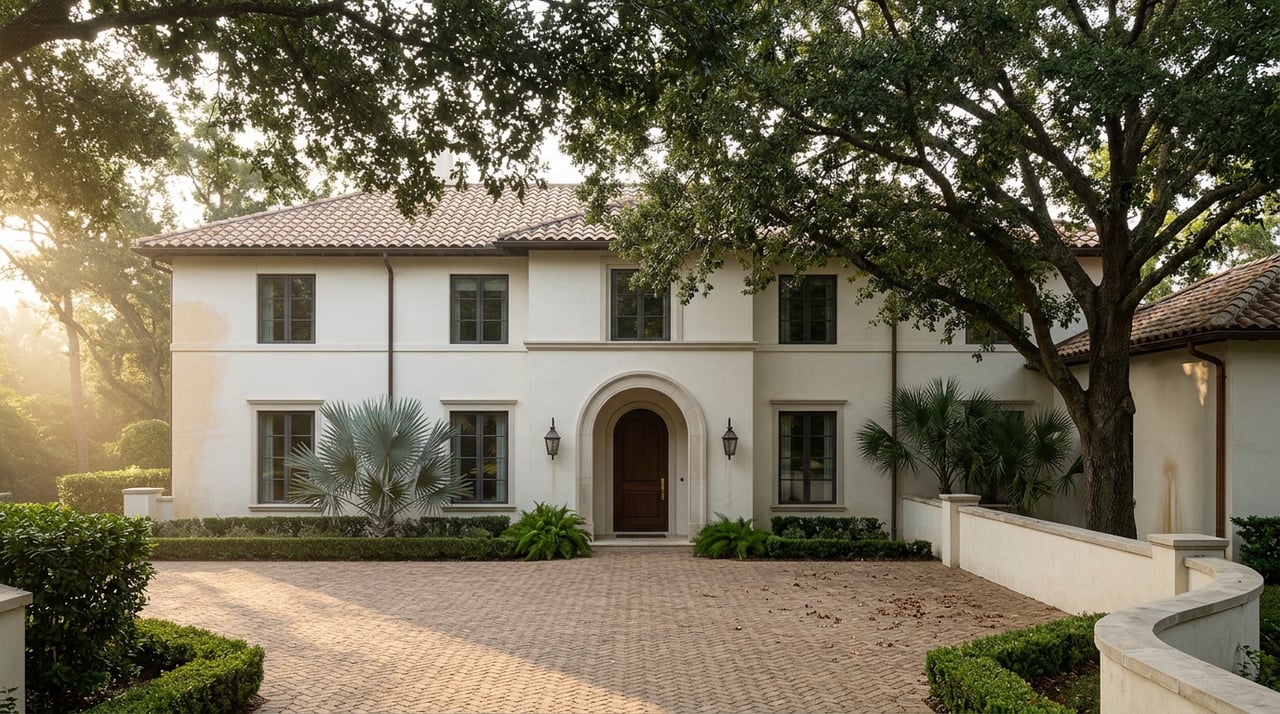
Drive the length of Snell Isle Boulevard NE and you won't pass a coffee shop, a bar, or a grocery store. The island's roughly 1,000 to 1,100 single-family homes sit on a peninsula wrapped by Tampa Bay, Coffee Pot Bayou, and Smacks Bayou, and aside from the dining room inside the Vinoy Resort, there's no commercial strip to speak of. Beach Drive and Central Avenue, with their restaurants and shops, are a five to ten minute drive south. Everything on the island itself is residential, recreational, or institutional.
That absence shapes daily life more than it looks like it should. In neighborhoods with a corner cafe or a bar with regulars, the social calendar takes care of itself. People run into each other buying coffee. On Snell Isle, there's no equivalent default. The gathering happens at specific, scheduled places instead: the golf clubhouse, the marina, the church, the park benches along the water. Each one runs on its own timetable, and together those timetables are what actually structures a Snell Isle week.
The Closure, Felt
The Vinoy's maintenance closure is the clearest example of this because it's dated and public. The club posts the exact window on its own site each year, and this year it ran August 17 to August 27. During the closure, the 18-hole, par-71 course went quiet along with the clubhouse that sits at its edge, the 1927 Mediterranean-style building with the pro shop, restaurant, and pool that anchors the golf side of the island's social life.
What that means in practice: no Wednesday grill hours, no Sunday brunch, no members drifting in after a nine-hole round to talk about the back nine over a drink. For members and the residents who treat the clubhouse as a semi-regular stop, that's not a minor scheduling note. It's the removal of the island's default third place for the duration of the closure, with nothing standing in to replace it, because there's nothing else built to replace it with.
The course reopened on schedule in late August, and by the first week of September the clubhouse rhythm was back: golfers on the range in the morning, the grill filling up by early evening, the pool drawing the after-round crowd. The closure is short. But its predictability, and the way the island's texture visibly shifts around it, says something the median home price never will: on Snell Isle, one clubhouse's calendar functions as a substitute for a whole commercial district somewhere else.
The Bayou Keeps Its Own Calendar
The golf club isn't the only clock on the island. Coffee Pot Bayou runs one too, and it's a slower, seasonal one tied to water temperature rather than a maintenance schedule.
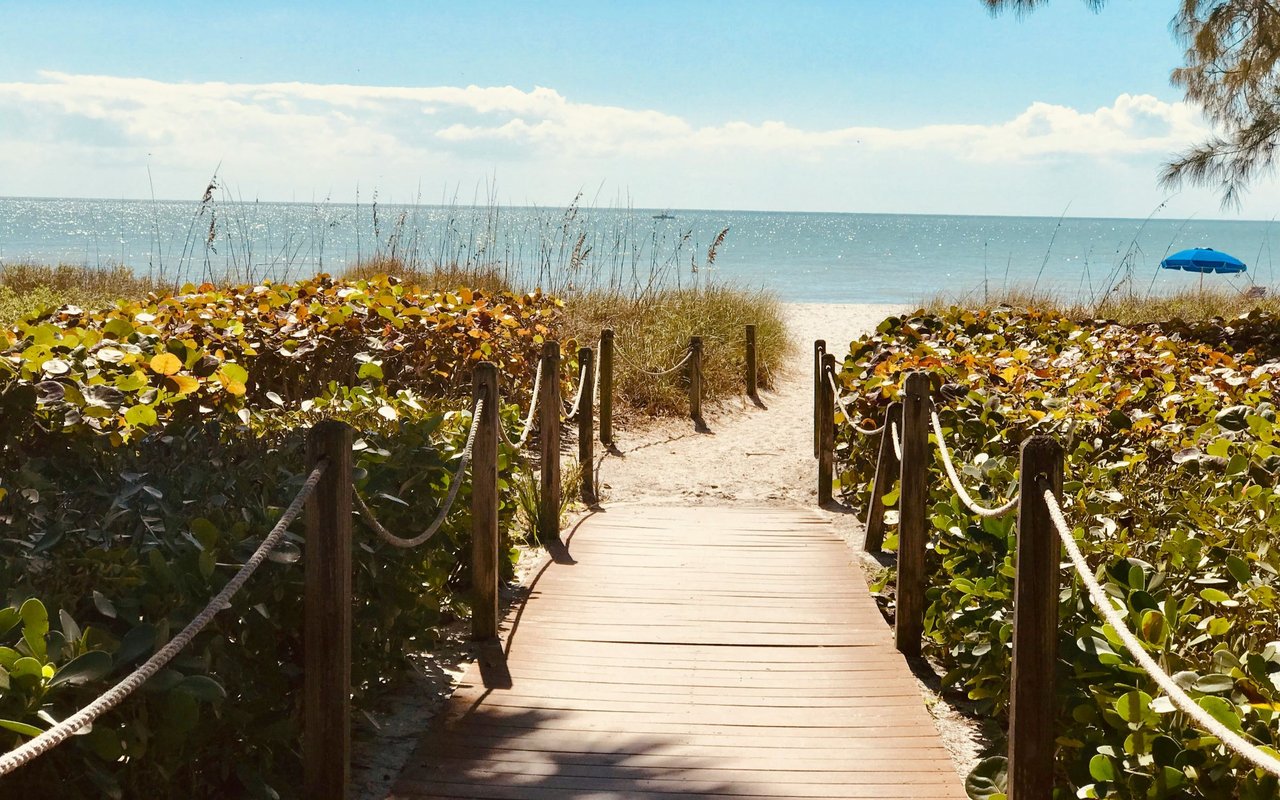
As the water starts to cool heading into fall, manatees begin moving into the bayou's shallower, warmer pockets, a pattern that repeats through the cooler months every year. Residents who walk or bike the roughly two-mile paved path that traces the bayou's edge along North Shore Drive are the ones who see it first: a manatee nosing along the seawall near Coffee Pot Boulevard NE, a great blue heron working the shoreline, the occasional pod of dolphins herding fish against the seawalls in the evening hours, most often reported around 6 or 7 p.m. None of this is programmed. It just happens, on its own timeline, to the people who are already out there.
The path itself does a lot of quiet work for the neighborhood. It connects to downtown, it's lit well enough for early morning or after-dark use, and it functions as the closest thing Snell Isle has to a public square, minus the storefronts. On a given evening you'll find:
- Joggers and dog walkers working the stretch between Snell Isle Boulevard and North Shore Park
- Cyclists using it as the connector into downtown rather than a destination on its own
- Anglers working spots the bayou is known for, including mangrove snapper, common snook, and sheepshead
- Birdwatchers pausing near the shoreline, where herons and egrets are common enough to expect
Snell Isle Marina, at the end of the bayou and operated by the St. Petersburg Yacht Club, adds a second maritime layer to that rhythm. It's not open to the public the way the walking path is, but it sets the tempo for the boating traffic that moves in and out of the bayou toward Tampa Bay, especially as cooler, calmer fall weather makes for better days on the water.
The Panther Keeps Time
The third clock is administrative, and it's easy to overlook because it doesn't involve a physical place at all. The Snell Isle Property Owners Association, known locally as SIPOA, traces its roots back to 1936 and still runs entirely on volunteer effort and voluntary dues that start at $50 a year. There's no mandatory island-wide HOA on Snell Isle, which means SIPOA's influence comes from participation rather than enforcement. It represents residents' interests in front of city council and city departments, funds neighborhood projects, and mails out a newsletter called the Panther to everyone who's a member.
The Panther is the island's paper trail. It's where beautification updates, event notices, and the routine business of a neighborhood without a town square actually get recorded. In a place with a main street, that information would circulate by word of mouth over coffee. On Snell Isle, it travels through a newsletter with a post office box address that hasn't changed in decades.
Put the three clocks together and the picture gets clearer. The golf club structures the social week. The bayou structures the season. SIPOA structures the administrative year. None of them are a substitute for a commercial district, but together they're what Snell Isle uses instead of one. That's also why a late-August closure at the Vinoy registers the way it does. It's not an inconvenience at a business. It's a pause in one of the island's only shared institutions, on a peninsula that never built a backup.
One Island, One Set of Clocks
None of this shows up in a listing description. A late-August golf course closure doesn't move a median price, and a manatee sighting near Coffee Pot Boulevard doesn't show up in any market report. But if you live on Snell Isle, or you're spending time there regularly, this is the texture that actually describes the place: an island that decided a century ago it didn't need storefronts, and has been running its social calendar off a golf clubhouse, a tidal bayou, and a volunteer newsletter ever since.
That's worth knowing whether you golf, walk the bayou path, or just wondered why the clubhouse parking lot looked so empty in late August. Snell Isle doesn't run on foot traffic past a shop window. It runs on a short list of institutions, and when one of them closes, even briefly, the whole island feels it.
If you're curious how Snell Isle's rhythms compare to nearby St. Petersburg neighborhoods, or you want a straightforward, no-pressure conversation about what's happening in the market here, reach out to Silver + Welch Collective to schedule a free consultation.
This article is general information, not legal, tax or financial advice. Consult a qualified professional about your situation.