Pull up the current listings in Historic Uptown and the picture looks orderly enough. A couple dozen homes, brick streets, live oak canopy, a median price somewhere between $527,000 and $593,000 depending on which slice you're looking at. It reads like one market.
It isn't. Right now, in the same handful of blocks bounded by 4th Street North, 16th Street North, 5th Avenue North, and 9th Avenue North, two very different transactions are happening under one zip code, and the gap between them is wide enough that it should change how you shop this neighborhood.
Two Listings, Two Timelines
As of early July 2026, Historic Uptown's active inventory splits cleanly along one line: renovation status.
The single-story, already-updated side of the market had 7 homes listed at a median price of $527,000, moving in about 35 days.
The vintage, original-condition side had 15 homes listed at a median price of $593,000, sitting for 81 days before going pending.
| Segment | Active listings | Median list price | Median days on market |
|---|---|---|---|
| Single-story, renovated | 7 | $527,000 | 35 |
| Vintage, original condition | 15 | $593,000 | 81 |
That is a 46-day gap and a $66,000 price gap running in opposite directions. The homes that cost more are the ones taking twice as long to sell. Anyone shopping this neighborhood off a single median number is comparing two products that don't behave the same way once an offer is on the table.
What's Actually Slowing the Vintage Half Down
The vintage side of Historic Uptown isn't overpriced. It's underwritten harder, and the underwriting happens after the offer, not before it.
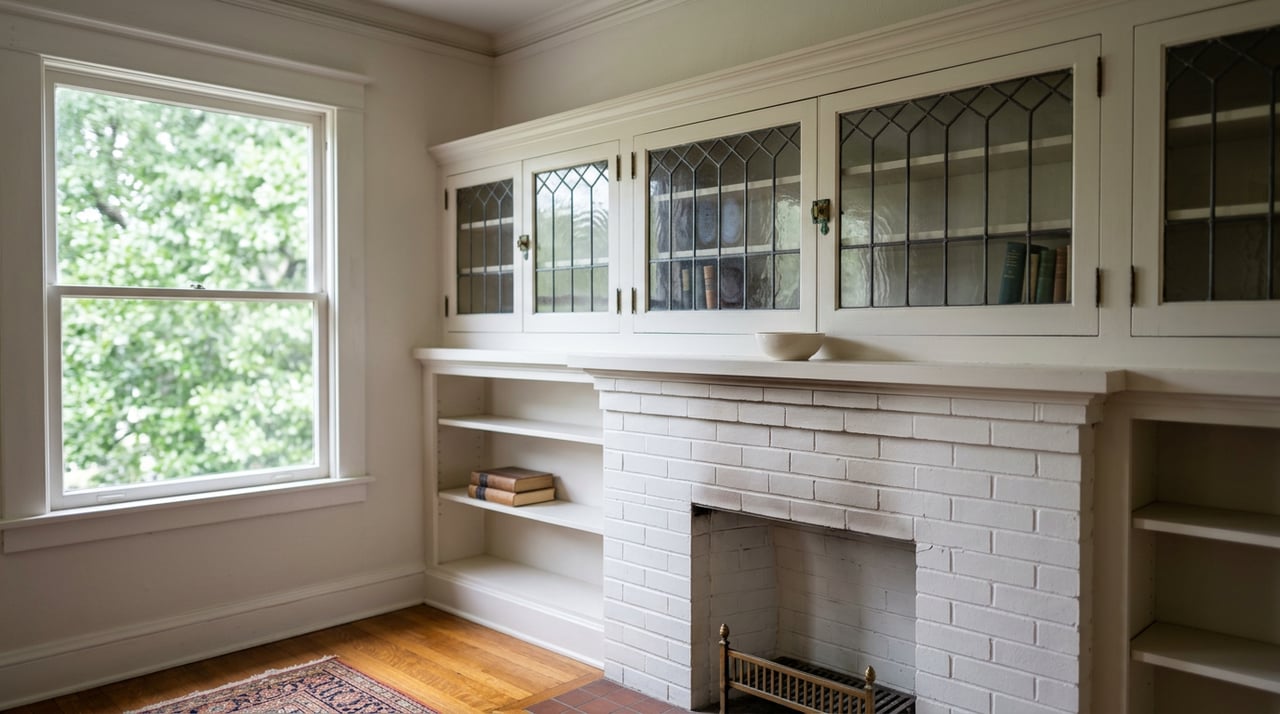
A 1920s or 1930s bungalow in this neighborhood usually comes with a bigger lot, more original trim, and a story. It also usually comes with a roof of unknown age, an electrical panel that may not carry modern loads, and plumbing that hasn't been touched since the Truman administration. None of that shows up in listing photos. All of it shows up in an insurance quote.
Florida insurers price wind mitigation, roof age, and panel type into the premium before they price in a wraparound porch. A buyer can fall in love with original heart-pine floors and still walk away from a deal three weeks later because the wind mitigation inspection came back unfavorable or the panel needs a full replacement before a carrier will bind a policy. That delay, repeated across a dozen listings, is what stretches median days on market from 35 to 81.
Flood exposure adds a second layer, and it isn't neighborhood-wide. Some streets near Round Lake sit lower than others. The flood zone is address-specific, not neighborhood-wide, which means the flood status of the house down the street tells you nothing about the one you're bidding on. Pull the flood zone for the actual parcel before you write an offer, not after.
None of this makes the vintage half of the market a bad buy. It makes it a slower one, and a buyer who plans for that timeline going in has an advantage over one who assumes a historic bungalow closes on the same schedule as a flipped one.
The Historic Label That Doesn't Mean What Buyers Assume
Here's where a lot of buyers get Historic Uptown wrong before they even tour a house.
The Round Lake area of Historic Uptown is listed on the National Register of Historic Places. For a residential neighborhood, that designation is largely honorary. According to Preserve the 'Burg, the nonprofit that tracks St. Petersburg's historic districts, National Register status for a residential area doesn't require design or demolition review before you can touch the exterior of a house.
That's a meaningful difference from some of St. Petersburg's other historic pockets. Granada Terrace, a locally designated district inside Old Northeast, has a review step for exterior work, one that regularly adds two to four months to a renovation timeline. Buyers comparing Historic Uptown to Old Northeast on exterior remodel flexibility are often comparing a neighborhood with no design review requirement to one with a real, multi-month one.
That said, don't take the honorary label as a blanket pass. City zoning can still layer on separate rules around setbacks, tree removal, and short-term rental use regardless of historic status, and those apply parcel by parcel. If you're planning a repaint, a new roofline, or an addition, confirm the specific rules for the address, not the neighborhood's reputation.
A National Register plaque protects the block's history. It doesn't automatically protect a buyer's renovation timeline, and it's worth checking that distinction before you assume either way.
Why the Renovated Half Keeps Getting Snapped Up
Part of what's pulling demand toward the turnkey side of Historic Uptown is happening just outside its own boundary. The Grand Central District, the commercial strip running along Central Avenue west of downtown, has been adding new businesses steadily through 2026. Karma Kitchen and Bakery moved into the former Craftsman House Gallery, a 1918 bungalow at 2955 Central Avenue. FS8, a fitness concept from the team behind F45 Training, opened its first Tampa Bay location at 2541 Central Avenue. Say Coffee House opened in the former Crisp Waffle Company space at 2414 Central Avenue.
None of that is inside Historic Uptown's own footprint, but it's a short walk from it, and it's the kind of amenity growth that pulls buyers toward homes they can move into without a renovation clock running. Add in neighborhood standbys like The Bier Boutique and Uptown Eats, plus Round Lake Park's walking loop and gazebo a few blocks in the other direction, and the appeal of a renovated bungalow here isn't just the house. It's not having to choose between move-in-ready and walkable.
That's the demand pressure showing up in the 35-day timeline on the renovated side of the market. It's also part of why the vintage side, despite carrying the higher price tag, isn't moving nearly as fast. Buyers want the location. Fewer of them want to take on the systems work required to get an older home to the same finish line.
A Few Questions Worth Asking Before You Tour
Do I need city approval to change the exterior of a Historic Uptown home? For most properties, no. The Round Lake district's National Register status doesn't trigger design review. But zoning rules around setbacks, tree removal, and rental use still apply, and some individual parcels may carry separate local protections. Confirm the specific rules for the address before you budget a project.
How should I check flood exposure? Flood exposure is address-specific rather than neighborhood-wide. Pull the flood zone determination for the exact parcel, not the general area, before you factor it into your offer.
Why does the vintage side of the market cost more if it's slower to sell? Larger lots, more original architectural detail, and in some cases proximity to Round Lake itself all support a higher list price. The slower timeline comes from the underwriting process on the buyer's side, not from the seller overpricing the home.
The Takeaway
Historic Uptown isn't one market with a single median. It's two markets running side by side, and the difference has almost nothing to do with the neighborhood and almost everything to do with what's behind the walls of the specific house you're looking at. Knowing which side of that split a listing sits on before you write an offer can help set expectations: the renovated segment had a median of 35 days on market, while the vintage segment had a median of 81.
If you're weighing a renovated bungalow against an original one in this neighborhood, or trying to figure out what a specific address's flood and historic status actually means for your plans, the team at Silver + Welch Collective can walk through the details with you. Schedule a free consultation and we'll get you the facts before you're standing on the porch.
This article is general information, not legal, tax or financial advice. Consult a qualified professional about your situation.